Design Thinking
Designers’ Evolving Roles in Government
How can the public sector create a culture that's friendly to human-centered design?
Innovations in federal, state, and local government programs
How can the public sector create a culture that's friendly to human-centered design?

The social sector must focus on building a rigorous knowledge base that is broad enough to lead to large-scale, breakthrough efforts.

Why investing in social enterprise can not only help the next US President leave a social innovation legacy, but also make a transformative impact on the lives of the Americans who need it most.
Frequent changes in grantmaking strategies can undermine the resilience of nonprofit organizations and their progress on addressing urgent global issues.
With evidence-based policy, we need to acknowledge that some evidence is more valid than others. Pretending all evidence is equal will only preserve the status quo.
Resistance to unconditional cash transfers may be less about their effectiveness and applicability as a participant-focused programmatic strategy, and more about the development community’s vested interest in maintaining the status quo.

Takeaways from a municipal prize competition.
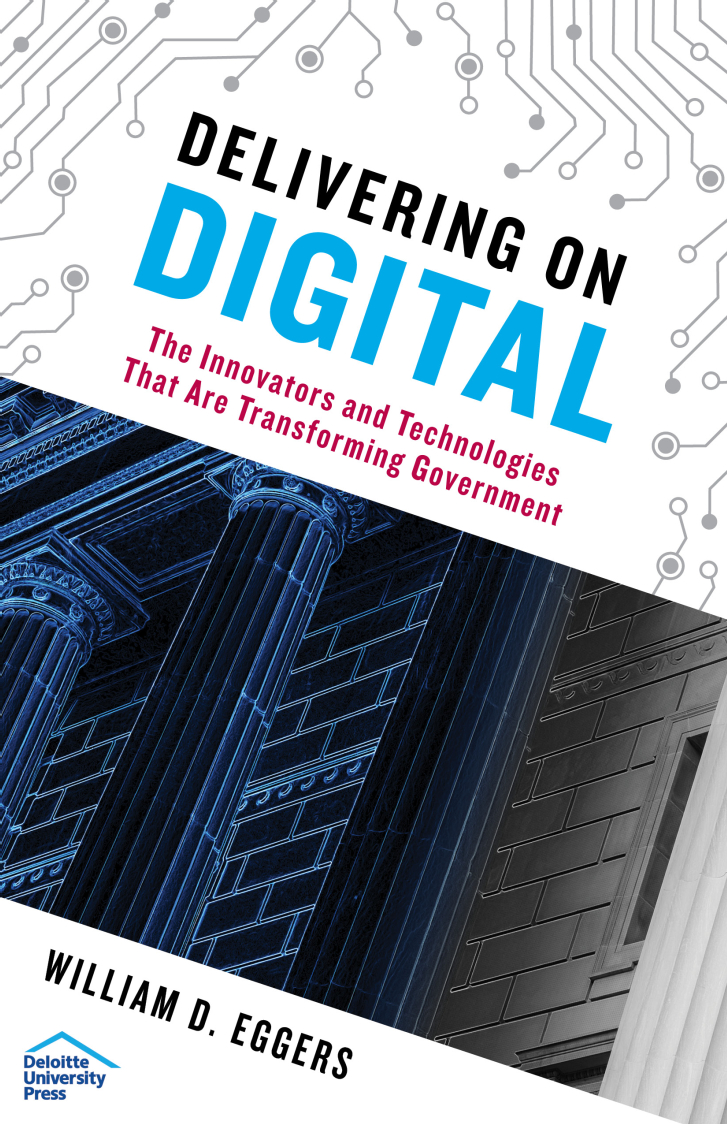
This excerpt from the newly released book Delivering on Digital looks at how the government in New South Wales, Australia, has used digital technologies and human-centered design to build a welfare system centered around individual children.

New sources of power and grassroots energy are driving certain campaigns to scale with surprising speed and force.
A growing economy appears to contribute little to most Kenyans’ quality of life. Why the government and outside investors need to rethink Kenya's education system and development model.